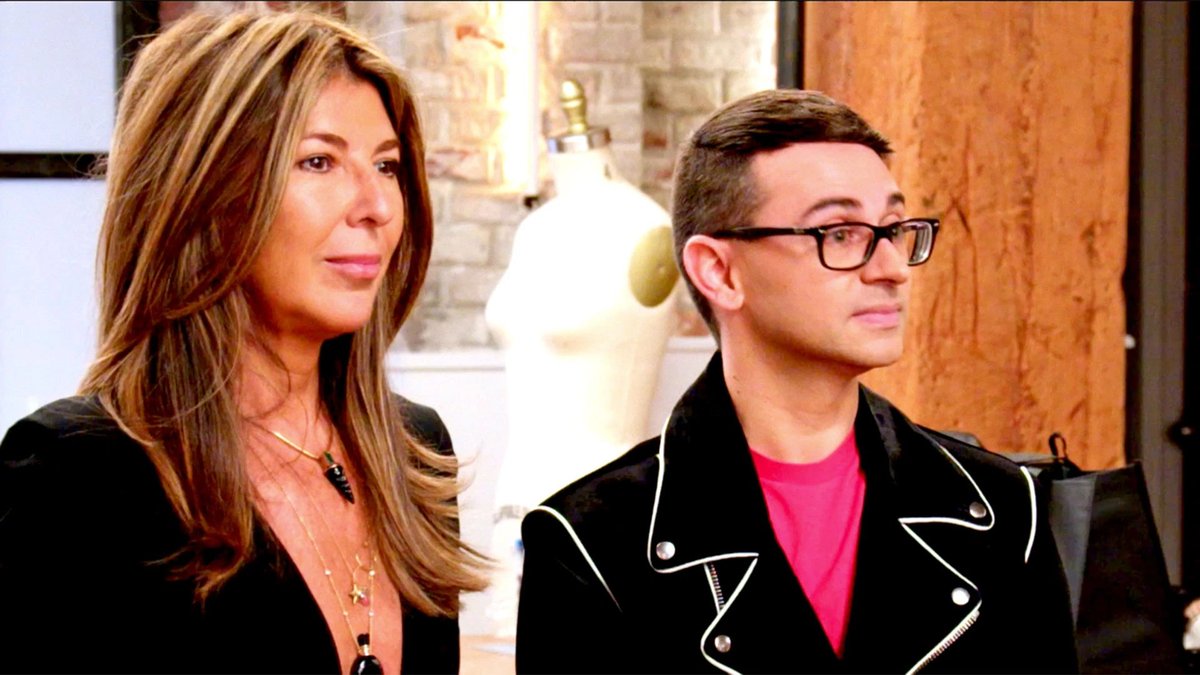
Project Runway Season 1 Judges & Mentors Key Original Figures
When "Project Runway" first burst onto the scene in 2004, it wasn't just another reality competition; it was a cultural reset for the fashion industry, bringing high-stakes design drama directly into living rooms. Much of its immediate and enduring success can be attributed to the dynamic, discerning, and utterly unforgettable panel of Project Runway Season 1 Judges & Mentors who launched the series. They weren't just faces on a screen; they were industry titans who lent unparalleled credibility, wit, and wisdom to a groundbreaking show.
From the supermodel host with a razor-sharp eye to the academic mentor who became a household name, and the two powerhouse judges whose critiques could make or break a career, this original quartet forged a format that would define the next two decades of fashion television. They laid the foundation for every dramatic challenge, every tearful confession, and every jaw-dropping runway moment that followed.
At a Glance: The Original Powerhouse Panel
Before we delve into the individual legacies, here’s a quick look at the foundational figures who set the standard for "Project Runway" from its very first season:
- Heidi Klum (Host & Judge): The supermodel turned TV personality, who brought glamour, a keen eye for commercial appeal, and her iconic catchphrase to the forefront of the competition.
- Tim Gunn (Mentor): The beloved fashion academic who served as the designers' compassionate guide, offering invaluable advice and his legendary mantra, "Make it work."
- Michael Kors (Judge): The acclaimed American designer known for his luxury sportswear, whose critiques were celebrated for their outspoken, often hilarious, and always brutally honest snark.
- Nina Garcia (Judge): The esteemed fashion journalist and arbiter of taste, whose stern, direct, and sophisticated feedback focused on quality, originality, and editorial vision.
The Looming Legacy: Project Runway's Inaugural Season
In a television landscape often saturated with talent shows, "Project Runway" dared to be different. It promised not just a fleeting moment of fame, but a genuine opportunity for designers to launch their own fashion lines, a prize that resonated deeply with the aspirations of aspiring creatives everywhere. This wasn't just about sewing; it was about vision, resilience, and the relentless pursuit of artistic expression under immense pressure.
The show's brilliance lay in its ability to demystify the high-fashion world, making it accessible to a broader audience without sacrificing its inherent glamour or gravitas. And at the heart of this delicate balance were its original judges and mentor, individuals whose expertise was matched only by their magnetic personalities. They transcended their roles, becoming almost as famous as the designers they critiqued, their opinions shaping not just the competition but also public discourse around fashion itself. Their diverse backgrounds and unified purpose—to find the next great American designer—created a compelling narrative from day one. To truly appreciate the show's impact, one must first understand the bedrock laid by these inaugural figures. For a deeper dive into the show's beginning, you can Explore Project Runway Season 1 and discover the initial challenges and triumphs that captivated audiences.
The Face of Fashion: Heidi Klum – Host, Judge, Icon
From the moment she first graced the screen, Heidi Klum was the quintessential face of "Project Runway." As both host and a core judge from its inception in 2004, her presence was magnetic, a blend of supermodel glamour and approachable charm. Klum wasn't just there to read teleprompter cues; she was an active participant in the judging process, bringing her extensive experience from the front lines of the fashion industry to the panel.
Klum's role as host was multifaceted. She was the one who introduced the challenges, often revealing surprising twists that would test the designers' creativity and adaptability. Her runway walks, before the designers' garments were presented, became a signature opening for each episode. Beyond the runway, her connection with the designers was professional yet empathetic. She understood the pressures of the industry and often offered words of encouragement, even amidst tough critiques.
As a judge, Heidi's perspective was invaluable. Coming from a background dominated by commercial fashion, high-profile campaigns, and the demands of mass appeal, she often evaluated designs through a lens of marketability and wearability. While she appreciated avant-garde artistry, her focus frequently returned to whether a garment could translate into something a real person would want to buy and wear. This commercial sensibility provided a crucial counterpoint to the more editorial or high-fashion viewpoints of her fellow judges. She was adept at spotting a well-constructed garment that also possessed that elusive "wow" factor, the kind that would grab headlines and sell magazines.
Her feedback was often direct but tempered with a warmth that prevented it from feeling overly harsh. She had a knack for articulating what was visually appealing or, conversely, what missed the mark entirely. Her ability to synthesize complex design elements into understandable critiques made her accessible to both fashion insiders and casual viewers alike.
Perhaps her most iconic contribution, however, was her definitive catchphrase: "One day you're in, and the next day you're out." Delivered with a characteristic blend of theatricality and finality, it perfectly encapsulated the brutal, ephemeral nature of the fashion world. This phrase became synonymous with the show itself, a stark reminder of the high stakes involved in every challenge. It underscored the fragile nature of success in an industry where trends shift at lightning speed and careers can be made or broken in a single collection.
Heidi Klum remained with "Project Runway" for an impressive 16 seasons, departing in 2018 alongside Tim Gunn. Their partnership was a cornerstone of the show's identity. Following their departure, they continued their collaboration, launching a new fashion competition series for Amazon, "Making the Cut," which premiered in 2020. This move demonstrated her ongoing commitment to fashion and her desire to continue fostering new talent, albeit on a different platform. Her legacy on "Project Runway" is one of glamour, accessibility, and an unwavering commitment to finding designers who could not only create beautiful clothes but also build a viable brand.
The Sage of Style: Tim Gunn – Mentor Extraordinaire
If Heidi Klum was the glamorous face of "Project Runway," Tim Gunn was undeniably its heart and soul. Serving as the designers' mentor from Season 1 until Season 16, Gunn occupied a unique and profoundly influential role. He was the empathetic ear, the strategic advisor, and the stern but loving coach who guided the aspiring designers through the emotional and technical minefields of the competition.
Gunn's background as a chair of fashion design at Parsons The New School for Design lent him an unparalleled depth of knowledge, not just in design principles but also in the pedagogical approach to nurturing creative talent. He understood the process, the frustrations, and the moments of pure genius. His visits to the workroom—often heralded by his distinctive "Hello, designers!"—were highly anticipated, offering a crucial lifeline of objective, expert feedback before the final runway show.
His mentorship style was a masterful blend of encouragement and unvarnished truth. He wasn't afraid to tell a designer when their concept was floundering, their construction was shoddy, or their vision was muddled. Yet, his critiques were always delivered with respect and a genuine desire to see the designers succeed. He wasn't there to design for them but to empower them to realize their own potential. He taught them to articulate their vision, problem-solve on the fly, and, most importantly, to trust their instincts while also being open to critical feedback.
The "make it work" mantra became his iconic battle cry, a phrase that transcended the show and entered the popular lexicon. It wasn't just about salvaging a failing garment; it was a philosophy for life—a call to ingenuity, resilience, and resourcefulness in the face of adversity. This mantra resonated with viewers far beyond the fashion world because it spoke to the universal challenge of overcoming obstacles with creativity and determination. Gunn’s ability to distill complex design problems into actionable advice was one of his greatest strengths, transforming moments of panic into opportunities for growth.
Tim Gunn's presence was a calming force amidst the chaos and stress of the competition. He mediated tensions, boosted flagging spirits, and often provided a much-needed dose of perspective. His interactions with the designers were often highlights of each episode, revealing not just his expertise but also his profound humanity. He fostered genuine connections, making him a beloved figure not just within the show but across its vast viewership. Many designers credited his guidance as instrumental to their success on the show and beyond.
Like Heidi Klum, Tim Gunn announced his departure from "Project Runway" in 2018, having dedicated 16 seasons to the series. His decision to collaborate with Klum on "Making the Cut" for Amazon was a testament to their enduring professional and personal bond. Gunn's legacy on "Project Runway" is immeasurable; he wasn't just a mentor, but a true educator who elevated the discourse around design and became an indelible part of fashion history. His calming demeanor, sharp wit, and unwavering commitment to nurturing talent made him a television icon.
The Sharpest Tongue: Michael Kors – Judge with an Edge
For ten impactful seasons, from Season 1 through 10, Michael Kors served as a core judge on "Project Runway," leaving an indelible mark with his distinctive brand of critique. A world-renowned fashion designer with his eponymous label, Kors brought an unparalleled understanding of commercial luxury, brand identity, and the practicalities of the fashion business to the judging panel. His voice was essential in shaping the show's credibility.
Michael Kors was celebrated—and sometimes feared—for his outspoken, often snarky, and endlessly quotable critiques. Unlike some judges who might soften their blows, Kors delivered his observations with a cutting wit and refreshing bluntness that was both entertaining and incredibly insightful. He had a way of cutting straight to the core of a design's flaw, often with a humorous, vivid analogy that immediately resonated with viewers. Whether a garment looked "like a figure skating costume" or "something a Rockette would wear to the beach," his words painted a clear picture of what wasn't working.
His perspective was firmly rooted in the realities of the market. Kors understood what sold, what translated from the runway to the retail rack, and what made a collection cohesive and desirable for a broad luxury audience. He championed clothes that were chic, wearable, and aspirational, but also functional and well-constructed. He had little patience for designs that were overly theatrical without purpose, poorly executed, or simply unoriginal. His critiques often centered on questions of taste, sophistication, and commercial viability, pushing designers to think beyond mere aesthetics to the broader implications of their work.
Many of his comments became instant classics, etched into the memories of "Project Runway" fans. He famously dubbed some creations "craft project gone wrong" or lamented when a designer seemed to lose their point of view, often stating, "It's all over the place." While his remarks could sting, they were always delivered with an underlying respect for the craft and an expectation of excellence. Designers, even those on the receiving end of his most scathing comments, often acknowledged the truth and value in his observations. His honesty, however biting, forced designers to confront uncomfortable truths about their work and ultimately strive for improvement.
Kors’ presence on the panel provided a crucial balance. His commercial sensibility contrasted with Nina Garcia's editorial eye and Heidi Klum's broader appeal, creating a dynamic tension that made the judging process compelling. He appeared as a guest judge in Seasons 11 and 12 after stepping down from his regular role to focus more intently on his rapidly expanding fashion label. His departure marked the end of an era for many fans, as his unique voice was synonymous with the show's early success. Michael Kors' legacy on "Project Runway" is one of sharp wit, discerning taste, and an unwavering commitment to the practical elegance that defines modern American fashion. His ability to articulate complex fashion critiques in an accessible and entertaining manner made him a true television star.
The Editorial Eye: Nina Garcia – The Arbiter of Taste
Since its premiere in 2004, Nina Garcia has been an unwavering presence on the "Project Runway" judging panel, making her the sole original judge to remain with the show throughout its entire run. Her longevity is a testament to her unparalleled expertise, discerning taste, and consistent, powerful voice within the fashion industry. Garcia’s role as an arbiter of taste and trend provided a vital, high-fashion editorial perspective that anchored the judging process in the realities of the industry’s elite.
Garcia’s illustrious career in fashion journalism is the bedrock of her authority. She began as the fashion director at ELLE, a position that granted her deep insight into market trends, designer collections, and the delicate balance between commercial appeal and avant-garde innovation. Later, she served as creative director of Marie Claire, further solidifying her reputation as a leading voice in fashion media. Her journey culminated in her current role as editor-in-chief at ELLE, a prestigious title that underscores her influence and deep understanding of the fashion landscape. This extensive background equipped her with a comprehensive knowledge of fashion history, current trends, and the meticulous standards expected at the highest echelons of design.
Nina Garcia is renowned for her stern and direct critiques. Her feedback is often concise, impactful, and devoid of unnecessary embellishment. She is not one to mince words when a design lacks originality, fails in execution, or misses the mark conceptually. Garcia’s focus is consistently on the core principles of sophisticated design: impeccable construction, thoughtful silhouette, innovative fabric choices, and a strong, coherent point of view. She champions designs that are elegant, modern, and possess a timeless quality, rather than chasing fleeting fads.
Her critiques, while sometimes perceived as harsh, are always rooted in a profound understanding of what it takes to succeed in the fiercely competitive fashion world. She demands excellence and challenges designers to push their boundaries, refining their aesthetic and technical skills. She often emphasizes the importance of a designer’s signature style, pushing them to develop a unique voice that distinguishes their work. For Garcia, a garment must not only look good but also tell a story, reflecting a clear vision and a mastery of the craft. Her observations frequently touch upon how a design translates from the runway to an editorial spread, or how it would be perceived by high-end consumers and critics.
Garcia’s consistency has been a reassuring constant for viewers and designers alike. While other judges have come and gone, her unwavering commitment to identifying true fashion talent has been a guiding force. Her ability to spot raw potential and to articulate precisely why a design either soared or stumbled has made her an indispensable part of the "Project Runway" legacy. She personifies the serious, intellectual side of fashion, reminding everyone that beneath the glamour lies an art form demanding rigor and precision. Her enduring presence on the panel highlights her unique ability to adapt to changing trends while upholding timeless standards of style and quality, solidifying her status as a true icon of the series.
The Unforgettable Dynamic: How the Original Four Defined the Show
The magic of "Project Runway Season 1" wasn't simply the individual brilliance of its host, mentor, and judges, but the unique, often electric, chemistry they shared. This original quartet—Heidi Klum, Tim Gunn, Michael Kors, and Nina Garcia—formed a judging panel that was both diverse in perspective and unified in its pursuit of excellence, creating a dynamic that arguably remains unmatched in the show's history.
Heidi Klum, with her supermodel status and commercial insight, provided a global, marketable viewpoint. She was the accessible face, the bridge between high fashion and the consumer, often asking whether a piece was wearable or simply a fantasy. Her warmth, while guiding the show, also allowed for an emotional connection with the designers, making her the host who understood the journey.
Tim Gunn, as the mentor, stood as the designers' unwavering advocate and wise elder. His academic background and compassionate approach meant he was focused on process, growth, and problem-solving. He was the vital link between the designers' raw talent and the polished demands of the judges, often offering strategic advice that helped them "make it work." His insights into their struggles and triumphs provided crucial context for viewers, adding depth to the competition.
Michael Kors brought the voice of the successful American designer—blunt, witty, and commercially astute. His critiques, delivered with an unforgettable snark, often focused on the practicality, taste level, and marketability of a garment. He was the one who could strip away pretensions and ask if something was truly chic and sellable, or merely a "craft project gone wrong." His ability to inject humor into even the harshest feedback made him a fan favorite and an essential component of the panel's entertainment value.
Nina Garcia, the veteran fashion journalist, provided the high-fashion editorial lens. Her unwavering focus on construction, originality, and sophistication ensured that the show remained tethered to the elite standards of the industry. She challenged designers to think conceptually, to create a distinct point of view, and to execute their visions with precision. Her stern, direct feedback pushed designers to elevate their craft to an art form worthy of an ELLE or Marie Claire spread.
This blend of perspectives created a comprehensive and robust judging process. Designers faced not just one opinion, but a multifaceted evaluation covering everything from commercial appeal and wearability to technical execution and editorial relevance. The tension and occasional disagreements among the judges themselves, particularly between Kors’ commercialism and Garcia’s purism, provided compelling television and demonstrated the complex considerations involved in fashion design. Each judge's unique angle ensured that no stone was left unturned in assessing a garment's potential and its creator's talent. Together, they established the high bar and the foundational structure that defined "Project Runway" for years to come.
Evolution of an Empire: Beyond Season 1's Panel (A Glimpse)
The foundation laid by the original Project Runway Season 1 Judges & Mentors proved incredibly robust, allowing the show to evolve and adapt while retaining its core identity. While Heidi, Tim, Michael, and Nina established the gold standard, the show inevitably saw changes to its panel over the years, reflecting shifts in the industry and the natural progression of careers.
After ten iconic seasons, Michael Kors stepped back from his regular judging duties to dedicate more time to his burgeoning global fashion empire, making guest appearances in Seasons 11 and 12. His departure left a significant void, but the show found a worthy successor in Zac Posen. Posen, a celebrated American designer known for his glamorous, red-carpet-ready gowns, joined the judging panel from Season 11 to 16. His critiques were known for being straightforward, focusing on construction, technique, and a refined sense of luxury. Posen brought a younger, yet equally authoritative, design perspective to the panel, ensuring the commercial and high-fashion dialogue continued. His own journey in the fashion world saw him ultimately shut down his eponymous label in November 2019, highlighting the volatile nature of the industry that "Project Runway" so compellingly depicts.
The most significant shift came after Season 16, when both Heidi Klum and Tim Gunn announced their departures. Their sixteen-season run as the faces of the show was unprecedented, and their decision to leave together to launch "Making the Cut" on Amazon marked a new chapter for "Project Runway." This transition necessitated a complete reimagining of the host, mentor, and judging roles.
For Season 17 onwards, "Project Runway" welcomed a new generation of talent to lead the charge. Supermodel Karlie Kloss took over hosting duties, also serving as a judge, bringing her contemporary influence and entrepreneurial spirit. In a stroke of genius that honored the show's legacy, "Project Runway" Season 4 winner Christian Siriano stepped into the pivotal role of mentor, offering designers the unique perspective of someone who had not only walked in their shoes but triumphed. Siriano quickly became a fan favorite, praised for his empathetic yet direct guidance, proving that the mentor's role remained as crucial as ever. The judging panel was further refreshed with Elaine Welteroth, former editor-in-chief of Teen Vogue (bringing that critical editorial eye once championed by Nina Garcia), and acclaimed fashion designer Brandon Maxwell, known for his elegant, modern aesthetic.
These changes underscore the enduring legacy of the original panel. While the faces and voices changed, the core principles they established—rigorous critique, compassionate mentorship, and a relentless pursuit of fashion excellence—continue to define "Project Runway." The current panel builds upon the strong foundation created by Klum, Gunn, Kors, and Garcia, proving that the show's initial architects crafted a format robust enough to stand the test of time and talent.
What Made Their Critiques "Work": Practical Takeaways for Designers (and Viewers)
The Project Runway Season 1 Judges & Mentors weren't just providing entertainment; their critiques offered invaluable lessons that transcended the television screen. For aspiring designers, their feedback was a masterclass in understanding what it takes to succeed in the fashion industry. For viewers, it demystified the often-opaque world of high fashion, offering clear, actionable insights into what makes a good design great, or a bad design disastrous.
Here’s what made their critical approach so effective:
- Clarity and Directness: The judges, particularly Michael Kors and Nina Garcia, were masters of concise and unambiguous feedback. There was little room for misinterpretation. If a garment looked cheap, they said it looked cheap. If a silhouette was unflattering, they specified why. This directness, while sometimes painful, was crucial for designers to understand exactly where they went wrong.
- Actionable Feedback: Beyond pointing out flaws, the best critiques often provided guidance on how to improve. Tim Gunn was exceptional at this, often asking leading questions or suggesting alternative approaches to help designers navigate technical or conceptual hurdles. The judges, too, would often articulate what they wished they had seen, implicitly guiding designers towards better choices in future challenges.
- Diverse Perspectives for Holistic Evaluation: The strength of the Season 1 panel lay in its varied viewpoints.
- Heidi Klum brought the commercial appeal and mass marketability perspective. Is it beautiful and wearable? Will it sell?
- Michael Kors offered the voice of the successful designer and brand builder. Is it chic, sophisticated, and does it align with a strong brand identity? Is it well-made and tasteful?
- Nina Garcia provided the editorial and high-fashion standard. Is it original, innovative, impeccably constructed, and worthy of a prestigious fashion publication? Does it demonstrate a unique point of view?
- Tim Gunn ensured technical feasibility and design process integrity. He focused on problem-solving, construction, and maintaining vision under pressure.
The combination of these viewpoints meant designers were judged on every conceivable aspect of their work, preparing them for the multi-faceted demands of the real fashion world.
- Connecting Design to Broader Implications: The judges frequently contextualized their critiques within the larger fashion landscape. They didn’t just say a dress was ugly; they might explain that it wouldn't appeal to their target customer, wouldn't photograph well for an editorial, or didn't align with current trends. This taught designers to think strategically about their creations beyond the immediate aesthetic.
- Honesty, Even When Uncomfortable: The panel never shied away from delivering harsh truths. This unflinching honesty, while difficult for the designers to hear, instilled a sense of realism. It highlighted that success in fashion requires a thick skin and the ability to learn from criticism, no matter how brutal. It showed that even immensely talented individuals needed to constantly refine their skills and vision.
For viewers, understanding these different lenses through which fashion was judged was incredibly educational. It moved beyond a simple "I like it" or "I don't like it" to a nuanced appreciation of design principles, craftsmanship, and market realities. The critiques became a masterclass in critical thinking about aesthetics, transforming passive viewing into an engaging learning experience about creativity and commerce.
Frequently Asked Questions About the Original Lineup
The enduring popularity of "Project Runway," especially its formative years, means that curiosity about its original figures remains high. Here are some common questions about the Project Runway Season 1 Judges & Mentors:
Q: Why did Heidi Klum and Tim Gunn leave Project Runway?
A: Heidi Klum and Tim Gunn announced their departure from "Project Runway" in September 2018 after 16 seasons. They left to collaborate on a new fashion competition series for Amazon, titled "Making the Cut." Their decision was driven by a desire for a new creative challenge and a fresh platform for their partnership.
Q: Is Nina Garcia still on Project Runway?
A: Yes, Nina Garcia is the only original judge who has remained with "Project Runway" since its inception in 2004. She has been a constant presence on the judging panel throughout all seasons, providing her consistent editorial and high-fashion expertise.
Q: What was Michael Kors known for on Project Runway?
A: Michael Kors was famously known for his outspoken, often snarky, and incredibly quotable critiques. His feedback was celebrated for its wit, brutal honesty, and keen focus on commercial viability, wearability, and sophisticated taste. He had a knack for memorable one-liners that often went viral.
Q: Who was the mentor in Project Runway Season 1?
A: Tim Gunn was the mentor for the designers in "Project Runway Season 1," a role he held for 16 seasons. He guided designers through challenges, offered crucial advice, and famously coined the mantra "Make it work." His empathetic and knowledgeable mentorship was a cornerstone of the show's success.
Q: Did Michael Kors replace anyone, or was he an original judge?
A: Michael Kors was an original judge on "Project Runway," serving on the panel from Season 1 to Season 10. He did not replace anyone but was one of the foundational figures who launched the show. He later made guest appearances in Seasons 11 and 12 before fully stepping away.
Q: What were the professional backgrounds of the original judges and mentor?
A:
- Heidi Klum: Supermodel, host, and television personality.
- Tim Gunn: Chair of Fashion Design at Parsons The New School for Design, fashion academic.
- Michael Kors: Acclaimed fashion designer with his own eponymous luxury brand.
- Nina Garcia: Fashion director at ELLE, later creative director of Marie Claire, and currently editor-in-chief at ELLE.
These figures brought a diverse yet complementary set of skills and experiences that provided comprehensive feedback for the designers and rich insight for the audience.
The Lasting Threads: Why Season 1's Team Remains Iconic
The inaugural season of "Project Runway" was more than just a television show; it was a phenomenon that irrevocably changed the landscape of reality TV and put fashion design into the mainstream consciousness. At the heart of this revolution were the Project Runway Season 1 Judges & Mentors. Their collective star power, industry authority, and individual personalities created a format so compelling that it captivated millions and inspired countless aspiring designers.
Heidi Klum’s glamorous yet grounded hosting, Tim Gunn’s empathetic and wise mentorship, Michael Kors’ cutting wit and commercial acumen, and Nina Garcia’s sophisticated editorial eye formed an unparalleled quartet. They not only judged the designs but educated the audience, demystifying the intricate world of fashion and revealing the immense talent and grit required to succeed within it. Their distinctive voices and the dynamic interplay between them set a benchmark for reality competition panels that few shows have managed to replicate.
Even as the show has evolved, welcoming new hosts, mentors, and judges, the legacy of the original team endures. Their catchphrases, their critical insights, and the profound impact they had on the designers and the show itself are woven into the very fabric of "Project Runway." They proved that genuine expertise, delivered with personality and passion, can elevate entertainment into an educational and inspiring experience. They didn't just find a winner; they built a legacy, proving that in fashion, as in life, the right foundational figures make all the difference.
Your Next Dive Into Project Runway's Origins
If the stories of these foundational figures have sparked your interest, there's no better way to appreciate their impact than by revisiting where it all began. Witnessing their initial interactions, the first challenges they posed, and the raw talent they nurtured in those early days provides a crucial context for understanding "Project Runway's" enduring appeal. To truly grasp the genesis of a cultural phenomenon and relive the moments that defined its legend, take the plunge. You can Explore Project Runway Season 1 and experience the groundbreaking season that set the stage for one of television's most beloved and influential fashion series. It’s a journey back to the sartorial roots of a show that truly "made it work."