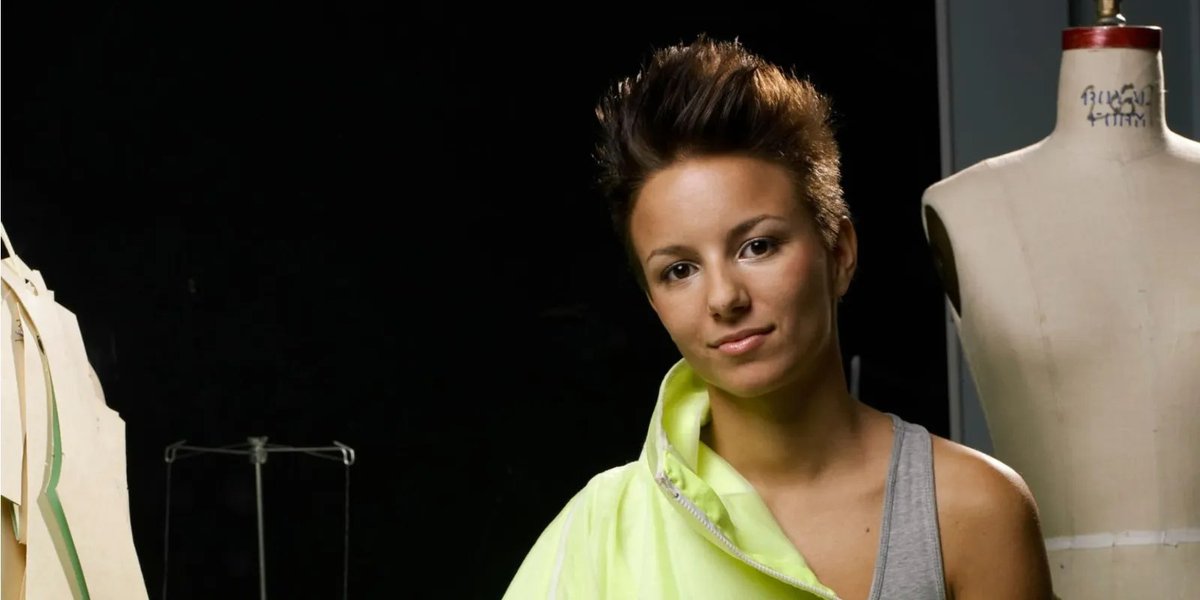
Project Runway Season 1 Legacy Ignited Fashion's Cultural Shift
Picture this: December 1, 2004. A new reality competition quietly debuts on Bravo, promising to pull back the curtain on the notoriously opaque world of high fashion. What followed was anything but quiet. Project Runway Season 1 Legacy & Cultural Impact wasn't just another TV show; it was a seismic event that reshaped how we consume fashion, perceive creativity, and even inspired a new generation of dreamers. It brought the dazzling, often intimidating, realm of design into our living rooms, proving that raw talent and ingenuity could thrive under pressure, one challenge at a time.
At a Glance: Project Runway Season 1's Enduring Impact
- Democratized Fashion: Made the design process accessible, moving it from exclusive ateliers to mainstream television.
- Launched Careers: Provided an unprecedented platform for emerging designers, many of whom became household names.
- Cultural Phenomenon: Influenced pop culture, spawning countless spin-offs and inspiring other reality competition shows.
- Humanized Creativity: Showcased the tangible, often messy, stages of creative work, from initial concept to final product.
- Sparked Dialogue: Incited conversations about "fast fashion," diversity, and the industry's ethical responsibilities.
- Built Resilience: Adapted and evolved through controversies, maintaining its core appeal.
The Audition that Changed Television
Before Project Runway became a household name, it was an idea with a different fabric. Originally conceived as a documentary series called "Project Greenlight," its focus shifted from filmmaking to fashion design, a move that proved to be visionary. Debuting on Bravo on December 1, 2004, the show, created by Eli Holzman and produced by Magical Elves Productions (with executive producers like Harvey and Bob Weinstein, Heidi Klum, and Tim Gunn), had a clear, ambitious goal: to discover and promote new fashion designers. It sought to provide an unparalleled platform, not just for showcasing talent, but for launching careers.
The formula was deceptively simple yet brilliantly executed: aspiring designers faced weekly challenges, competing for a cash prize, a mentorship with an industry professional, and the ultimate dream – the opportunity to show their collection at New York Fashion Week. Presiding over this crucible of creativity were supermodel host Heidi Klum and the endlessly quotable mentor Tim Gunn, alongside original judges Michael Kors and Nina Garcia, who quickly became iconic figures in their own right. This dynamic cast, combined with the high stakes and genuine talent on display, transformed a simple reality show into an instant cultural phenomenon. If you want to dive deeper into how it all began, you can Explore Project Runway Season 1 and relive the moments that captivated millions.
Beyond the Seam: Project Runway's Industry Shake-Up
Project Runway wasn't just entertainment; it was a catalyst that sent ripples throughout the fashion industry, altering its landscape in significant ways.
Launching Stars and Mainstream Trends
One of the show's most profound contributions was its ability to unearth and catapult new designers into the mainstream. While the first season set the stage, the subsequent seasons amplified this effect, bringing names like Christian Siriano to national prominence long before he dressed Hollywood's elite. The show didn't just find talent; it validated it, giving designers a platform they could only dream of before reality television entered the picture.
Furthermore, Project Runway played an undeniable role in popularizing "fast fashion." By showcasing how quickly garments could be conceived, constructed, and presented, it unwittingly contributed to the consumer expectation for rapid trend cycles and affordable, runway-inspired pieces. While the show itself focused on high-end design, its format subtly underlined the speed and adaptability that the evolving retail landscape demanded. It also inspired an entire generation of aspiring designers, making a career in fashion feel more attainable and less like an exclusive club.
Demystifying Design: Creativity on Display
Perhaps the most understated yet powerful legacy of Project Runway is its raw, unvarnished look at the creative process itself. Before the show, the journey from an abstract idea to a tangible garment felt like magic to most outsiders. Project Runway pulled back the curtain, illustrating the human ingenuity behind design.
It implicitly brought to life Graham Wallas's 1926 four-stage model of creativity, outlined in "The Art of Thought":
- Preparation: This stage, where designers gather research, absorb experiences, and hone their skills, was often hinted at through contestants' backstories and their initial approaches to challenges. You saw their accumulated knowledge come into play as they sketched and strategized.
- Incubation: The show, by its very nature, often rushed this period of subconscious thought development. However, moments of quiet reflection, head-scratching, or even frustration in the workroom showed designers grappling with ideas before a clear path emerged.
- Illumination: This was the "Aha!" moment, often captured live in the workroom. A designer might suddenly drape fabric in a new way, or a concept would click into place, transforming a collection of disparate ideas into a cohesive vision. It’s the thrill of seeing a concept come together before your eyes.
- Verification: The ultimate test. New ideas were presented on the runway, confirmed (or rejected) by the judges' critiques. This public scrutiny, the ultimate validation or invalidation of a creative endeavor, made the abstract process tangible and relatable for millions of viewers.
By showcasing this framework, Project Runway didn't just entertain; it educated, presenting creativity as a tangible, observable process that could be studied and, perhaps, even emulated. It made design less about mystical inspiration and more about hard work, problem-solving, and iterative refinement.
A Cultural Loom: Weaving into Pop Culture
Project Runway's impact wasn't confined to the fashion world; it became a significant thread in the broader tapestry of popular culture, influencing television and beyond.
The Blueprint for Reality Competitions
Long before cooking competitions dominated prime time or make-up artists battled for supremacy, Project Runway demonstrated the compelling power of a creative competition show. Its format—weekly challenges, expert judges, emotional eliminations, and the ultimate prize of industry recognition—became a successful blueprint. It paved the way for a myriad of other reality competition shows, proving that audiences were hungry to witness skill, pressure, and the personal journeys of aspiring talents across various creative fields. The show didn't just succeed; it defined a genre.
Global Threads and Local Adaptations
The show's universal appeal led to a cascade of spin-offs and international adaptations. From Project Runway All Stars, which brought back fan favorites for a second shot at glory, to Project Runway Junior, nurturing young talent, the franchise expanded its reach. Globally, adaptations like Project Runway Australia and countless others in different countries proved that the core concept—the thrill of creation under pressure—transcended borders and cultural nuances. It became a truly global phenomenon, demonstrating that the language of design and the drama of competition are universally understood.
Navigating the Rough Patches: Challenges and Resilience
Even a show as impactful as Project Runway was not immune to controversy and had to navigate significant challenges, demonstrating the resilience of its core appeal.
Controversies and Course Corrections
In 2017, the show faced a major crisis when its production company, The Weinstein Company, became embroiled in sexual assault allegations against Harvey Weinstein. This led to a significant shift, with Project Runway moving from its original home on Bravo to Lifetime. This period marked an uncertain time for the franchise, forcing it to reassess its foundations.
Beyond this major upheaval, the show also received criticism at various points for a perceived lack of diversity, an important conversation in an industry that often grapples with exclusivity. These challenges underscored the need for the show to evolve, not just in terms of network, but in its representation and ethos.
The Unyielding Appeal of Ingenuity
Despite these hurdles, the Project Runway franchise has consistently shown remarkable resilience. After its run on Lifetime, it made a triumphant return to Bravo with a revamped format. This relaunch brought new energy, featuring supermodel Karlie Kloss as host and a beloved former winner, Christian Siriano, stepping into the role of mentor. The judging panel also saw a refresh, with original judge Nina Garcia returning alongside Elaine Welteroth and Brandon Maxwell.
More recently, the show has continued to adapt, showcasing a more socially conscious experience. This includes groundbreaking moments like featuring the first transgender model on its runway, reflecting a broader movement towards inclusivity in fashion. It even innovated by allowing viewers to purchase winning designs, directly connecting the creativity on screen with consumer desire. Through all the changes, the core appeal has remained steadfast: the sheer joy and fascination of watching creativity come to fruition before your very eyes, a testament to the power of human ingenuity.
The Enduring Legacy: More Than Just a Show
Project Runway Season 1 laid the groundwork for a television series that transcended its genre. It didn't just entertain; it educated, inspired, and fundamentally shifted perceptions of the fashion industry. From democratizing design to humanizing the creative process, its influence is undeniable. It taught us that fashion isn't just about clothes; it's about art, innovation, and the relentless pursuit of an idea.
Practical Takeaways for Aspiring Creatives
The show's lessons extend far beyond the runway:
- Embrace the Process: Creativity isn't always a flash of genius; it's often a structured journey of preparation, incubation, illumination, and verification. Understand and respect each stage.
- Work Under Pressure: The constraints of time and resources can spark innovation. Learn to think on your feet and adapt.
- Seek and Value Feedback: The judges' critiques, however harsh, were essential for growth. Develop a thick skin and an open mind.
- Find Your Voice: The most successful designers on the show had a distinct point of view. Authenticity is key to standing out.
Looking Ahead: The Fabric of Fashion's Future
The legacy of Project Runway Season 1 is woven into the very fabric of contemporary culture. It proved that reality television could be more than just drama; it could be a powerful platform for art, innovation, and career launches. As the fashion industry continues its rapid evolution, driven by technology, sustainability, and inclusivity, Project Runway remains a fascinating mirror, reflecting both the glamour and the grit required to make it. Its continued relevance speaks to a universal human fascination: the thrill of watching someone create something beautiful, innovative, and entirely new.