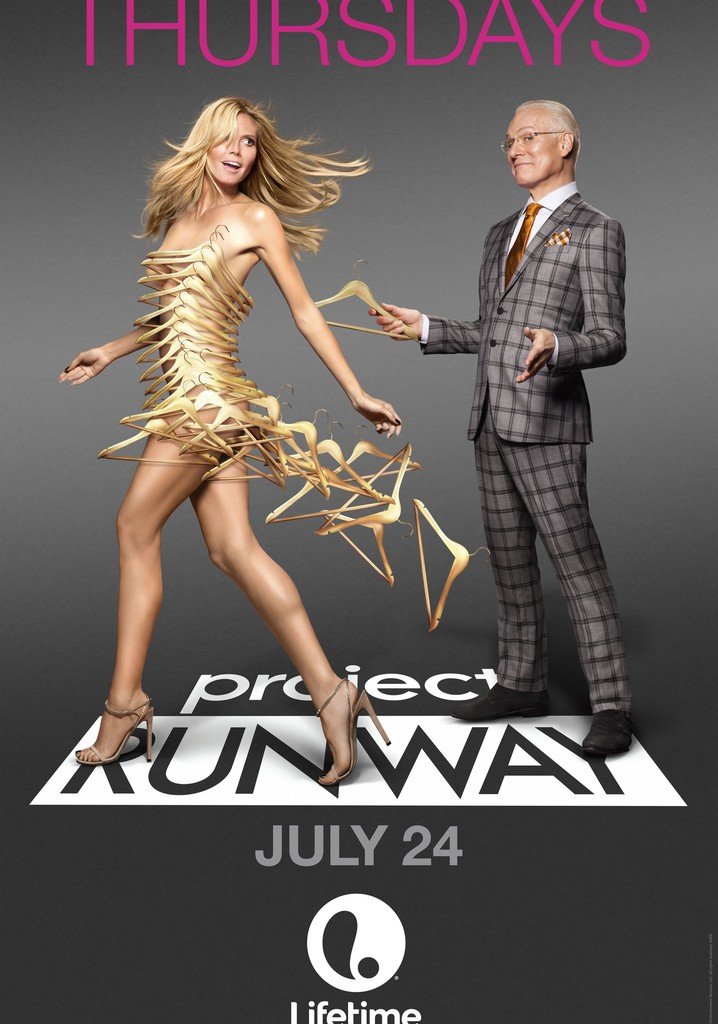
Embarking on a rewatch of Project Runway Season 1 today is more than just a nostalgic trip; it's an archaeological dig into the foundation of a cultural phenomenon that reshaped reality television and brought the intricate world of fashion design into our living rooms. Forget the glitz and high production values of later seasons; the original run offers a raw, unfiltered glimpse into the dreams, dramas, and sheer talent of aspiring designers, making it an essential watch for both new fans and seasoned devotees.
At a Glance: Diving Back into Project Runway Season 1
- The True Original: Discover where the iconic phrases ("Make it work!") and high-stakes design challenges began.
- Authentic Charm: Experience the show before it became a slick, heavily produced machine – expect genuine drama and raw creativity.
- Fashion Time Capsule: See the early 2000s aesthetics unfold, from questionable trends to timeless design principles.
- Meet the OGs: Reacquaint yourself with the inaugural class of designers who laid the groundwork for future seasons.
- Where to Watch: Easily stream the entire first season on Peacock TV, bringing the past right to your screen.
The Genesis of Style: Why Season 1 Still Captivates
Long before Instagram-famous designers and celebrity guest judges became the norm, Project Runway burst onto the scene in 2004, a beacon of creativity and cutthroat competition. Watching Project Runway Season 1 Today is a masterclass in what made reality TV truly groundbreaking. It wasn't just about the clothes; it was about the stories, the personalities, and the sheer audacity of creating wearable art under immense pressure.
This wasn't some polished, over-produced affair. Season 1 had a gritty charm, born from a smaller budget and a genuine focus on the craft of design. The challenges felt more organic, the stakes more immediate. It was a show that treated fashion with respect, demystifying the design process for a mass audience without dumbing it down. You got to witness the sweat, the tears, and the triumph of turning fabric into fashion, week after week.
A Different Runway: What to Expect From Early Project Runway
If you're accustomed to the sleek sets and rapid-fire editing of recent Project Runway iterations, prepare for a charmingly lo-fi experience with Season 1. The early 2000s aesthetic permeates everything, from the designers' personal styles to the often-dated music cues. But don't let that deter you; this is where the magic truly began.
The show's core premise remains: "Emerging designers compete to craft the best attire while coping with time constraints and various thematic and material challenges," as Peacock TV accurately summarizes. However, the interpretation of this premise in Season 1 is subtly different. There’s a palpable sense of discovery, both for the audience and the production team. The mentor, the judges, and even the host are finding their footing, creating an endearing authenticity that's rare in reality TV today. You see the raw talent and the genuine struggle, often more clearly than in later, more streamlined seasons.
The Original Spark: Meet the Visionaries of Season 1
Project Runway Season 1 introduced us to a memorable cast of characters who, for better or worse, defined the show's initial charm. From the theatrical to the traditional, their personalities and design philosophies clashed, converged, and ultimately set the template for every season that followed.
The Icon: Jay McCarroll
The eventual winner, Jay McCarroll, was an immediate standout. His quirky, playful aesthetic, combined with a quick wit and a refreshingly candid approach, endeared him to viewers. Jay’s work was always distinctive, often incorporating bold prints and unexpected silhouettes. His final collection, a vibrant explosion of color and pattern, remains one of the most memorable winning collections in the show's history. Watching Project Runway Season 1 Today, you'll appreciate his unvarnished authenticity even more. He represented the artistic, sometimes rebellious spirit of fashion.
The Consistent Contender: Kara Saun
Kara Saun consistently delivered polished, sophisticated looks throughout the competition. Her designs often leaned towards glamorous, red-carpet ready wear, showcasing a refined sensibility and strong technical skills. She was a formidable competitor, known for her professionalism and elegant creations, eventually becoming the runner-up. Kara represented the commercial viability and refined craftsmanship that the fashion industry often demands.
The Divisive Dynamo: Wendy Pepper
No discussion of Season 1 is complete without mentioning Wendy Pepper. Her strong personality and dramatic flair made her a lightning rod for both admiration and criticism from viewers and fellow designers alike. While her design choices sometimes veered into controversial territory, she consistently created garments that provoked conversation. Wendy, despite her often-contentious presence, made it to the final three, proving that strong opinions and a clear point of view can be just as impactful as technical perfection on the runway.
The Theatrical Darling: Austin Scarlett
Austin Scarlett became an instant fan favorite with his theatrical designs and gentle, artistic demeanor. His iconic "corn husk dress" from the unconventional materials challenge remains one of Project Runway's most legendary creations, showcasing his ability to transform the ordinary into the extraordinary. Austin brought an old-school glamour and a deep appreciation for dramatic silhouettes, solidifying his place as one of the show's most beloved early talents. His journey reminds us that fashion can be pure fantasy and storytelling.
The Blueprint of a Phenomenon: Season 1's Lasting Impact
Season 1 wasn't just a reality show; it was a cultural moment that rippled through the fashion industry and reality television landscape. It democratized fashion, making it accessible and understandable to a broader audience. Before Project Runway, the intricacies of design, patternmaking, and garment construction were largely confined to industry insiders. The show pulled back the curtain, revealing the immense skill and creativity required to produce a single garment.
It also introduced the world to the inimitable Tim Gunn, whose empathetic guidance and iconic catchphrase "Make it work!" became synonymous with the show. His role as mentor was revolutionary, providing a supportive yet critical voice that was crucial to the designers' growth. You can't help but appreciate Tim Gunn's enduring legacy as a mentor as you watch him guide these nascent talents through their challenges. Season 1 established the format that dozens of subsequent reality competitions would emulate, proving that focusing on genuine talent and process could be far more compelling than manufactured drama.
Fashion Forward or Fashion Dated? Modern Eyes on Y2K Aesthetics
One of the most fascinating aspects of Watching Project Runway Season 1 Today is observing the fashion trends of the early 2000s through a contemporary lens. The Y2K aesthetic, characterized by low-rise jeans, vibrant colors, asymmetry, and a blend of futuristic and retro influences, is front and center.
While some designs might feel distinctly dated – think certain fabric choices, hemlines, or embellishments – others possess a timeless quality or even echo current trends. Fashion is cyclical, after all. You'll find yourself critiquing designs with a modern eye, wondering if a particular silhouette would still fly today, or if a bold print could be reinterpreted for a new generation. This temporal juxtaposition adds an extra layer of enjoyment to the rewatch, allowing you to appreciate the evolution of style over two decades. Many of the fundamental design principles, however, remain eternally relevant, offering valuable lessons regardless of the era.
Beyond the Seams: The Human Element and Early Drama
The drama in Project Runway Season 1 felt incredibly authentic. With less emphasis on manufactured storylines, the interpersonal dynamics stemmed naturally from the pressure of competition, cramped living quarters, and artistic differences. You witness raw emotions – frustration, joy, insecurity, and camaraderie – unfold without heavy-handed manipulation.
Designers truly lived and breathed the competition, their personalities amplified by the stress of tight deadlines and the desire to succeed. This genuine human element is what made the show so compelling from the start. It wasn't just about who could sew the fastest or design the flashiest garment; it was about who could maintain their vision and their sanity under fire. This level of unscripted reality is a refreshing change of pace compared to many of today's hyper-stylized competition shows.
Finding Your Fashion Fix: Where and How to Watch Project Runway Season 1 Today
Thankfully, revisiting the inaugural season is easier than ever. For those wondering where to stream Project Runway, the primary destination for Project Runway Season 1 in the US is Peacock TV.
Peacock offers all episodes of the first season, allowing you to binge-watch the entire journey from the initial auditions to the grand finale at New York Fashion Week. It's an accessible platform, often included with various cable packages or available as a standalone subscription. Simply navigate to the "Project Runway" series page on Peacock, and you'll find Season 1 ready for your viewing pleasure. No need to hunt for old DVDs or dodgy online streams; the original magic is just a few clicks away.
Behind the Judges' Table: The Original Critics
The judging panel of Project Runway Season 1 was nothing short of iconic, establishing a dynamic that would be emulated and evolved throughout the show's long run.
- Heidi Klum (Host): The supermodel brought a captivating presence and a knack for delivering biting critiques with a charming smile. She was the face of the show, guiding the designers and the audience through the challenges with a blend of warmth and authority.
- Michael Kors (Judge): Known for his quick wit and no-nonsense approach, Michael Kors became legendary for his memorable one-liners and astute observations about commercial appeal and wearability. His critiques were often the most entertaining and insightful, providing a crucial balance to the artistic aspirations of the designers.
- Nina Garcia (Judge): As the then-Fashion Director for Elle magazine, Nina Garcia brought an unparalleled editorial eye and a deep understanding of high fashion. Her critiques were sharp, sophisticated, and often focused on the structural integrity and aesthetic relevance of the designs. She demanded excellence and pushed designers to elevate their craft.
Together, this trio, along with a rotating guest judge each week, formed a formidable panel that shaped the future of reality television judging. Their collective expertise provided a comprehensive perspective, evaluating designs from artistic, commercial, and practical standpoints. It's fascinating to observe the evolution of Project Runway's judging panel by starting from these foundational critics.
Common Threads: Your Season 1 Questions Answered
Many viewers, whether new or returning, have questions when contemplating a dive into the first season.
Was Season 1 the "best" Project Runway?
"Best" is subjective, but many purists argue that Season 1 possesses an unrivaled authenticity and charm. It's widely considered a foundational season, establishing the blueprint for everything that followed. While later seasons brought higher budgets and more polished production, Season 1 offers a raw, genuine insight into the world of emerging designers. It has a special place in the hearts of long-time fans for setting the standard.
How much has the show changed since Season 1?
Significantly. While the core premise remains, the show has seen changes in hosts, judges, network, and overall production style. Later seasons often feature more elaborate challenges, higher stakes, and a greater emphasis on social media and contemporary fashion trends. Season 1 feels simpler, more focused on the pure craft of design and the personalities creating it. Observing iconic challenges across seasons reveals how they've evolved from these humble beginnings.
Are the early designs still relevant today?
Some designs hold up remarkably well, showcasing timeless craftsmanship and aesthetic principles. Others are distinctly products of the early 2000s, reflecting trends that have since faded or evolved. However, even the "dated" designs offer valuable insight into fashion history and cyclical trends. The lessons in construction, proportion, and creativity remain highly relevant.
What happened to the original designers after Season 1?
Many of the Season 1 designers continued to pursue careers in fashion, some achieving significant success. Jay McCarroll, the winner, has continued to design and has been involved in various projects, including a documentary about his post-show career. Austin Scarlett gained recognition for his bridal and evening wear. Kara Saun built a career in costume design for film and television. The show undeniably launched their careers, demonstrating the impact of Project Runway winners on the industry.
Making It Work: Practical Tips for a Rewatch
To fully appreciate Project Runway Season 1 today, consider these tips:
- Embrace the Nostalgia: Lean into the early 2000s vibe. It’s part of the show's unique charm. Don't expect the sleekness of modern reality TV; appreciate the authenticity.
- Focus on the Craft: Pay close attention to the construction techniques, fabric choices, and design processes. This is where the true educational value lies. You'll be amazed at what they created under pressure.
- Watch with a Critical Eye (But Be Kind): While it's fun to critique the fashion, remember the context. These designers were under immense stress with limited resources. Appreciate their ingenuity.
- Listen to Tim Gunn: His advice is invaluable, not just for the designers, but for anyone looking to understand creative problem-solving.
- Observe the Evolution: Consider how the initial ideas and concepts presented in Season 1 became the bedrock for all subsequent seasons. It's the beginning of a television legacy.
The First Stitch: Why Season 1 Remains Essential Viewing
More than just a walk down memory lane, Watching Project Runway Season 1 Today is an essential experience for anyone interested in fashion, reality television, or the enduring power of creative ambition. It’s a compelling look at the birth of a phenomenon, showcasing the raw talent and genuine drama that captivated audiences and launched countless careers. From the iconic challenges to the unforgettable personalities, Season 1 offers a unique blend of entertainment, education, and inspiration.
So, queue up those episodes on Peacock. Prepare to be charmed by the authenticity, occasionally amused by the early 2000s fashion, and consistently impressed by the sheer talent that first graced the Project Runway workroom. It’s a journey that reminds us that sometimes, the original is truly the best. Start your rewatch and Explore Project Runway Season 1 in all its foundational glory.